About · History
A thousand years of the spice islands
A thousand years ago, spices took root in Zanzibar's rich, fertile soils. The same soils grow the spices you buy today.
- 700sPersian traders
Stone settlements on Zanzibar
Persian traders reached East Africa, building the first stone settlements on Zanzibar; in 1107 AD the first mosque in the southern hemisphere rose on Unguja island. They found the tropical climate and rich soils perfect for cloves, nutmeg and cinnamon. Later, the Portuguese and Chinese introduced garlic, cacao and chilli.
- 1100sto 1400s
The trade that began globalization
The spice trade flourished across Arabia, Persia, Zanzibar and Tanganyika. Spices rivalled gold as the world's most prized commodity: perfume, incense, preservation, cooking. They were a mark of power and wealth, and demand quickly outstripped supply.
- 1698Sultanate of Oman
Portuguese out, Omanis in
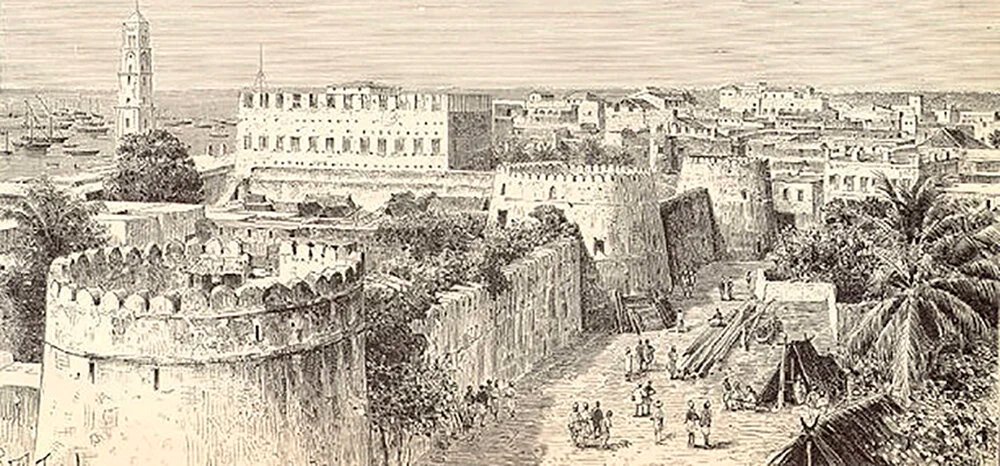
After Vasco da Gama carried tales of Zanzibar's spice farming back to Europe, the Portuguese held the islands for almost 200 years, building forts on Unguja and Pemba. In 1698 they were expelled by the Omanis, and Zanzibar became part of the Sultanate of Oman.
- 1840The clove capital
The world's largest clove producer
Sultan Seyyid Said moved his empire's capital to Zanzibar and established clove plantations across Pemba and Unguja. The archipelago became the single largest clove producer on earth, wealth built on the forced labour of enslaved Africans; the trade was abolished in 1876.
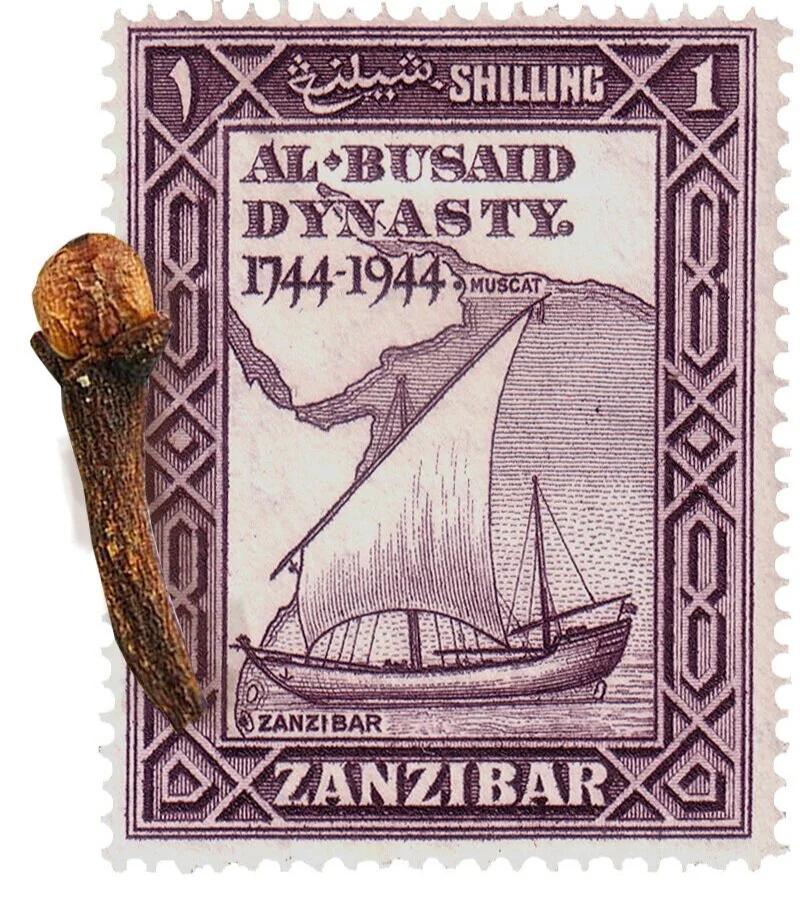
Two hundred years of the Al Busaid dynasty on a 1944 Zanzibar shilling stamp; the clove had become the islands' signature. - 1964United Republic
Union, and spices go mainland
The Zanzibar Revolution and the union with Tanganyika formed today's United Republic of Tanzania. By then spice cultivation had spread across the mainland as a major cash crop, concentrated along the Eastern Arc Mountains with their cool, humid microclimates and rich biodiversity.
- TodayThe trademark era
A mark of its own
After decades of Tanzanian spices exported without a name, the trademark puts the origin back on the pack. Buy it, and you buy a thousand years of craft.
For buyers
Taste a thousand years of history. Source it today.
Tell us what you need. We connect you with the producers who grow it.
Get Tanzania SpicesBuyer identities are never published.